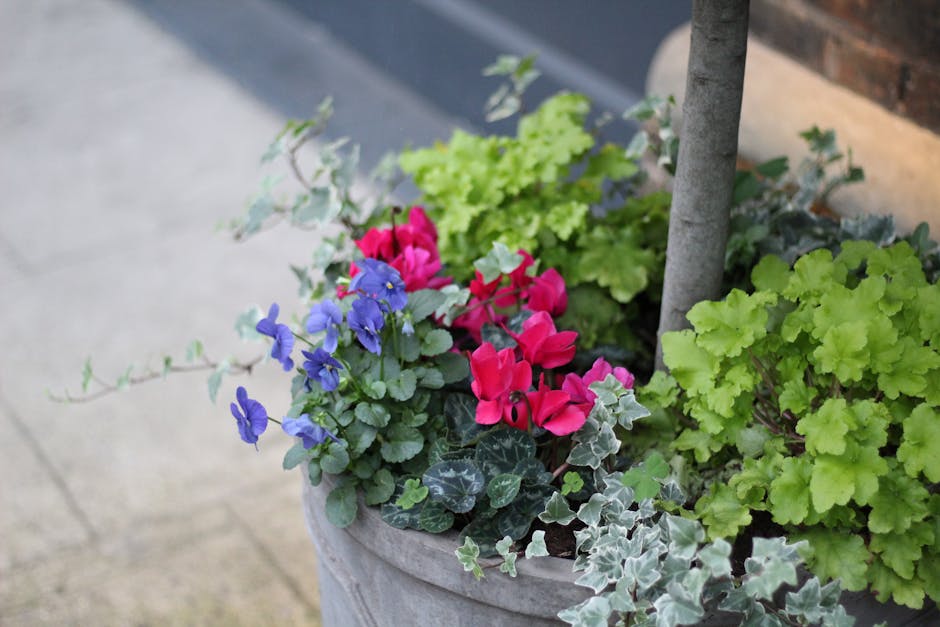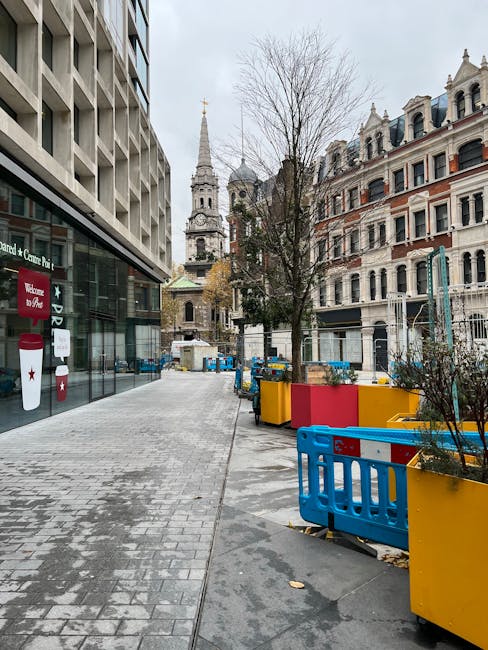
Westfield Shepherds Bush gardeners planter upkeep for shops: a practical guide for tidy, welcoming retail frontages
If you run a shop near Westfield Shepherds Bush, your planters are doing more work than you might think. They soften hard paving, make a storefront feel cared for, and quietly shape first impressions before a customer even touches the door handle. Westfield Shepherds Bush gardeners planter upkeep for shops is really about keeping those displays healthy, neat, and on-brand, week after week, without turning plant care into another headache for your team.
That sounds simple, but in a busy retail environment it rarely is. Wind dries out the compost faster than you expect. Footfall knocks stems about. Delivery trolleys catch leaves. A sunny morning can look lovely, and by late afternoon a planter can look tired, dry, and a bit sad. Truth be told, the difference between a polished frontage and a neglected one is often just routine upkeep done properly.
This guide walks through what planter upkeep involves, why it matters for shops, how the work is usually managed, what to avoid, and how to choose the right maintenance approach for a commercial setting. It also covers practical standards, useful checks, and a simple decision framework for busy retailers who want good-looking planters without constant fuss.
Why Westfield Shepherds Bush gardeners planter upkeep for shops Matters
Planters outside shops are not decorative extras. They are part of the customer experience, part of the storefront's visual identity, and, in many cases, part of how the business feels from the pavement. A well-kept planter suggests care, order, and attention to detail. A messy one does the opposite, even if the shop inside is spotless.
In a place like Westfield Shepherds Bush, where shoppers move quickly and choose with their eyes, a frontage has only seconds to make an impression. That first glance matters. If the planting looks fresh, watered, trimmed, and deliberate, it can make a retail unit feel more inviting and more established. If the foliage is collapsed, overgrown, or covered in litter, it can make the whole entrance feel temporary or under-managed.
There is also a practical angle. Planters can guide foot traffic, soften edges, screen unsightly fixtures, and add a little breathing room around the shop entrance. In busy retail centres, they can help define space without building walls. But they only do that job well if they are maintained as living displays rather than left to fend for themselves.
For shop owners and managers, the real issue is consistency. Anyone can make a planter look good on installation day. Keeping it looking good through rain, heat, trampling, and the odd lost coffee cup - that's the job. And yes, it is a proper job, not a casual once-a-month tidy-up.
Expert summary: For shopfront planters, appearance, plant health, safety, and routine reliability all matter together. The best results come from small, regular maintenance actions rather than dramatic rescue work later on.
How Westfield Shepherds Bush gardeners planter upkeep for shops Works
Commercial planter upkeep is usually built around repeat visits rather than one-off visits. The gardener checks the planters, carries out the visible work, and keeps a close eye on anything that could become a problem in the next week or two. In practice, that often means a rhythm of watering, deadheading, pruning, feeding, replacing tired plants, clearing litter, and checking the planter structure itself.
The exact schedule depends on the planter size, the species used, the season, the amount of sun or wind exposure, and how heavily the frontage is used. A shaded planter by a quieter side entrance may need less frequent attention than a bright, exposed display right where delivery drivers and customers pass every few minutes. Sounds obvious, but it's easy to underestimate how much the environment changes the workload.
Good upkeep usually starts with a basic assessment. What is planted? Is the planter draining properly? Is the compost still suitable? Are stems leaning because of wind or because the planter has become root-bound? Is the display balanced visually from the pavement side? That short review tells the gardener whether the job is light touch or whether the planter needs more serious intervention.
Where shops want a high standard, maintenance often sits alongside other outdoor care tasks. Some sites pair planter upkeep with garden maintenance or wider frontage care, which makes sense because the visual effect is connected. A neat planter next to untidy paving can still look wrong. Everything outside the unit speaks together.
There is also a logistics side to the work. Access matters. Water supply matters. Safe storage of tools matters. If planters are placed where they can be knocked, lifted, or damaged, the gardener will usually adjust the routine and the plant selection accordingly. That is part of the expertise: not just making things look nice, but making them sustainable in a live retail setting.
Key Benefits and Practical Advantages
When planter upkeep is done consistently, the gains are bigger than most shop owners expect. It is not just about "making it pretty." It is about keeping the frontage functional, presentable, and easier to manage in the long run.
- Stronger first impressions: Clean, healthy planters signal care and attention before a customer enters.
- Better brand consistency: Repeated colours, textures, and shapes can support the look of the shop.
- Lower replacement costs: Regular maintenance helps avoid the cycle of plants failing and needing full replanting.
- Reduced mess: Litter, fallen leaves, dead flowers, and spilled compost are handled before they build up.
- Safer entrances: Tidy planters are less likely to spill over walkways or obstruct access.
- More reliable display quality: The frontage looks cared for across weekdays, weekends, and seasonal changes.
- Better use of space: Planters can define the retail edge without making the area feel cluttered.
There is also a less obvious advantage: a maintained planter can reduce stress for staff. If everyone knows the display will stay tidy, there is less end-of-shift panic about watering or tidying it "later." That small relief matters in a retail environment where everyone is already juggling deliveries, customers, tills, and stock. Let's face it, nobody wants one more thing going slightly wrong by 4:30pm.
If the frontage includes hard landscaping elements or decorative borders, the broader setting can be supported through landscaping or even more structured landscape gardening. That becomes especially useful where the planters are part of a designed retail frontage rather than a simple container arrangement.
Who This Is For and When It Makes Sense
This kind of upkeep is relevant to a wide range of businesses, not just one type of shop. If you have a visible frontage, customer footfall, or brand standards tied to appearance, planters probably matter more than you think.
It tends to make the most sense for:
- fashion retailers and lifestyle stores
- cafes and food outlets with outdoor planters
- pharmacies and convenience shops that want a welcoming entrance
- independent boutiques aiming for a polished street presence
- hospitality venues with retail-facing frontage
- shopping units that are part of a wider managed development
It also makes sense when staff do not have time to maintain plants properly themselves. That is not a failing; it is just reality. Retail teams are busy, and plant care is one of those jobs that looks easy until a heatwave hits, or the compost starts drying out faster than the tea gets drunk.
Some businesses only need seasonal refreshes. Others need weekly attention. A small, sheltered planter with slow-growing evergreens may be fine with a lighter schedule. A bold summer display near a bright shop entrance may need more frequent watering, deadheading, and replacement planting. The right answer depends on the site, not just the budget.
If your frontage is part of a wider tidy-up, the work may be combined with garden clearance before new planting goes in. That can be useful where old, tired planters need to be stripped out and reset rather than patched up. Sometimes a reset is simply the cleaner option.
Step-by-Step Guidance
Good planter upkeep is straightforward when broken down properly. Here is a practical sequence that works well for shops and commercial units.
- Inspect the planter condition. Check for dry compost, broken stems, weeds, faded flowers, loose soil, algae, pest damage, and any planter damage.
- Clear visible debris. Remove litter, old leaves, spent flowers, fallen packaging, and anything that makes the display look untidy.
- Water according to need. Water slowly and thoroughly, aiming for the root zone rather than just wetting the surface. In warmer spells, this may need more frequent checking.
- Deadhead and trim. Remove spent blooms and cut back damaged growth so the display keeps a fresh shape.
- Check plant balance. Reposition or replace plants if one side is collapsing, sparse, or dominating the container.
- Feed if appropriate. Use plant food or compost refreshers where the planting style calls for it, especially during active growing periods.
- Test drainage. Make sure excess water can escape. Waterlogged planters can damage roots quickly.
- Monitor for replacement needs. If a plant is struggling beyond recovery, replace it before the whole planter starts looking tired.
- Log what changed. A simple maintenance record helps spot patterns, such as repeat drying, pest pressure, or seasonal failure points.
A lot of the real skill sits in the judgement calls. Is that plant just thirsty, or is it genuinely failing? Is the planter overloaded, or does it just need a cutback? Those are the little decisions that separate tidy upkeep from constant replanting.
If the planter sits close to timber surfaces, seating, or decorative outdoor features, it may also be sensible to think about broader frontage care. Some shops coordinate planter work with decking services if there is a raised platform or display area that needs regular attention too. That keeps the whole entrance coherent, rather than having one clean element beside one shabby one.
Expert Tips for Better Results
Here are the small things that tend to make the biggest difference. They are not glamorous, but they work.
- Choose plants for the site, not the wish list. If the front gets harsh wind or intense reflected light, use plants that can cope.
- Mix structure with seasonal colour. Evergreens or sturdy structural plants help the display stay presentable when seasonal flowers fade.
- Use the right container depth. Shallow planters dry out fast and limit root health.
- Keep an eye on edges. A planter can look fine from straight on but messy from the side. Customers notice the side angle too.
- Set a simple maintenance rhythm. Weekly checks are often better than long gaps followed by a big rescue.
- Refresh rather than overfill. Too many plant varieties can make the planter look cluttered and harder to manage.
- Think about winter sightlines. A good display in July can look weak by January if there is no structure.
One small but useful habit: ask what the planter looks like from five metres away, not just from arm's length. That is roughly how customers see it while walking past. It changes the whole approach. You can get away with a few tiny imperfections close up; from the pavement, however, the whole composition tells the story.
If sustainability is part of the shop's identity, it can help to plan around longer-lasting planting choices and responsible waste handling. In that case, a conversation about recycling and sustainability may be relevant, especially when old compost, dead plants, and worn materials need to be disposed of thoughtfully.
Common Mistakes to Avoid
Most planter problems come from a small set of recurring mistakes. The good news is they are avoidable once you know what to watch for.
- Only reacting when the display looks bad. By then, recovery is slower and more expensive.
- Choosing thirsty plants for exposed sites. They may look lovely on day one and then struggle hard.
- Ignoring drainage. Water sitting in a planter is a common reason plants decline.
- Letting weeds establish. Small weeds become visual clutter quickly and make the planter look neglected.
- Forgetting seasonal change. A display that works in spring may need reshaping by late summer.
- Using the same routine all year. Winter and summer upkeep are not the same, not even close.
- Leaving broken planters in service. Cracks, wobble, and instability can become safety or appearance issues.
- Overcomplicating the planting scheme. Too many moving parts means more maintenance and more chances for the display to fail.
One mistake I see more than people expect is simply not giving the planter enough room to breathe. Plants grow. Surprise, they really do. A display that is packed too tightly will often look good for a few weeks, then become awkward, crowded, and harder to water properly.
Tools, Resources and Recommendations
For shopfront planter upkeep, the tools do not need to be elaborate, but they do need to be suitable for regular use. A lean, practical kit is usually better than a giant box of unused gadgets.
| Item | Why it helps | Best use |
|---|---|---|
| Watering can or controlled hose access | Delivers water directly to the roots | Routine watering and dry-weather checks |
| Hand trowel | Useful for topping up compost and replanting | Small repairs and plant replacement |
| Secateurs | Provides clean pruning cuts | Deadheading and shaping |
| Gloves | Protects hands from soil and rough stems | All maintenance visits |
| Small broom or hand brush | Clears debris quickly | Daily or weekly tidy-ups |
| Compost or soil improver | Refreshes tired planting media | Replenishment and seasonal resets |
Beyond tools, the most useful resource is a simple maintenance plan. It does not need to be fancy. A basic schedule, a contact point, and a note of what is planted are often enough to keep things running smoothly. If you are comparing broader service support, the services overview can help you think about how planter care fits alongside other outdoor maintenance needs.
Shop owners sometimes ask whether they should ask staff to handle the upkeep instead of bringing in a professional. Sometimes that works for very small displays. But if the frontage needs to look consistently sharp, or the planting is doing brand work, professional upkeep is usually the more reliable route. Less guesswork. Fewer surprises. Much less "we'll sort it tomorrow."
Law, Compliance, Standards, or Best Practice
For commercial planter upkeep, the most relevant considerations are usually practical safety, access, and general duty of care rather than complex plant law. Shopfronts need to stay reasonably clear and safe for staff, customers, and passers-by. Heavy planters should be positioned sensibly, so they do not create unnecessary obstruction or tipping risk. Watering should not leave slippery surfaces, and tools should not be left out where people can trip.
Best practice in the UK retail setting usually includes:
- keeping walkways and entrance areas free from obstruction
- making sure planters are stable and suitable for outdoor exposure
- avoiding overspill of soil, water, or plant matter onto public routes
- checking that maintenance work does not create hazards during trading hours
- using insured contractors for work that involves ladders, height access, or site-specific risk
That last point matters more than many businesses realise. Any outside maintenance around a shopfront should be handled with sensible care and appropriate insurance. If you are looking into how a provider approaches safety and risk, insurance and safety is worth reviewing before appointing anyone to work at a busy frontage.
Where there are clear procedures for complaints, payments, privacy, and business terms, those policies also help create a more trustworthy working relationship. For example, a transparent pricing and quotes process is useful when you want to compare upkeep plans without guessing what is included.
Options, Methods, or Comparison Table
Not every shop needs the same style of planter upkeep. Some want a quick refresh, some want a full managed display, and some want a maintenance-led planting scheme that changes seasonally. Here is a simple comparison to help you decide what fits best.
| Approach | What it includes | Best for | Watch-outs |
|---|---|---|---|
| Basic reactive care | Occasional watering and tidy-up when needed | Very small, low-visibility planters | Looks inconsistent and can slip quickly |
| Routine maintenance | Regular watering, pruning, debris removal, light replanting | Most shops with visible frontage | Needs a set schedule and reliable access |
| Seasonal refresh plan | Plant changes several times a year plus ongoing upkeep | Retail units where display quality is part of branding | More planning and a little more cost |
| Full frontage care | Planters plus surrounding external features and broader presentation | Shops with larger or premium entrances | Can become complex if not coordinated properly |
For many businesses, routine maintenance is the sweet spot. It keeps the display dependable without turning the frontage into a high-maintenance project. A full seasonal plan makes sense when the shop is highly visual, but there is no shame in keeping things simple. Simple often wins.
Case Study or Real-World Example
Imagine a small shop near the Westfield Shepherds Bush retail environment with two medium planters by the entrance. In spring, they start off bright: fresh green foliage, a few colourful flowering plants, and a neat edge around the containers. Customers notice them. Staff are pleased. All good.
By early summer, though, one planter dries out faster because it catches more afternoon sun. The flowers there begin to droop. A couple of stems snap after a busy weekend. Someone from the shop tries to "just water it a bit more," but the result is uneven, and the display starts to look patchy. Nothing dramatic, but enough to dull the frontage.
Once a proper upkeep routine is introduced, the difference is obvious. The planters are checked at regular intervals. The dry side is watered more carefully. Spent blooms are removed. A weak plant is replaced before it drags the whole display down. The planter still looks natural - not over-styled, not fussy - but now it feels maintained, and that changes how the shopfront reads from the street.
It is a small example, but that is the point. Retail planter care usually succeeds through little decisions made consistently. Not a grand intervention. Just steady attention. And, to be fair, that's often what good commercial gardening is: calm, repeatable, not flashy.
Practical Checklist
Use this checklist to keep shop planters in good shape through the week:
- Check planter appearance from the pavement side
- Remove litter, fallen leaves, and spent blooms
- Water deeply enough for the root zone
- Inspect for dryness, pests, or disease
- Trim back damaged or overlong growth
- Top up compost if the level has dropped
- Make sure drainage is working properly
- Replace tired plants before they spoil the display
- Confirm planters are stable and not obstructing access
- Record any issues that need follow-up on the next visit
If the planters are part of a larger frontage project, a broader tidy-up may be needed from time to time, especially after seasonal change or a period of neglect. In those cases, it can be useful to bring in support that covers both upkeep and heavier intervention, such as about us background on the team and, where needed, services like garden maintenance or more involved garden clearance.
Get a free quote today and see how much you can save.
Conclusion
Shopfront planters do a quiet but powerful job. They frame the entrance, shape perception, and help a retail unit feel cared for in a busy, often unforgiving environment. With the right upkeep, they stay fresh, tidy, and effective rather than slipping into the background as another thing that needs fixing later.
For Westfield Shepherds Bush gardeners planter upkeep for shops, the best approach is usually simple: consistent maintenance, sensible planting choices, and a clear plan for the seasons. Keep it regular, keep it realistic, and let the display work for you rather than against you. Small care, repeated well, really does add up.
If your storefront has been looking a little tired lately, that is not a catastrophe. It usually just means the planters need a better routine, and that is very fixable. One decent maintenance cycle can change the feel of the whole entrance. Quite satisfying, actually.
Frequently Asked Questions
How often do shop planters need upkeep?
It depends on the planting style, exposure, and season, but most visible shop planters benefit from weekly checks and more frequent attention during dry or hot spells.
What does commercial planter upkeep usually include?
Typical upkeep includes watering, deadheading, pruning, debris removal, compost top-ups, plant replacement where needed, and a general visual check of the container and surrounding area.
Why not just let shop staff water the planters?
They can, if the display is small and very low maintenance. But busy retail staff often do not have the time or consistency needed to keep planters looking sharp all year.
What plants work best for shopfront planters?
The best plants depend on sun, wind, shade, and how much attention the display will receive. A mix of durable structure and seasonal colour is usually a safer choice than relying on delicate varieties alone.
How do I stop planters looking untidy so quickly?
Regular deadheading, litter removal, and keeping the planting balanced all help. The key is not waiting until the display is visibly tired before acting.
Can planter upkeep be combined with other outdoor maintenance?
Yes, and that is often the smartest way to manage it. Many shopfronts benefit from combined care alongside broader external maintenance, clearance, or landscaping work.
Is there a safety issue with large planters outside shops?
There can be if planters block access, spill soil, or are unstable. Good placement, stable containers, and careful maintenance reduce those risks.
What should I do if my planters dry out too fast?
That usually points to site conditions, planter size, compost quality, or plant choice. An exposed or sunny site may need more water-retentive planting and a tighter maintenance schedule.
How can planter upkeep support the shop's brand?
Consistent planting colour, tidy shapes, and well-kept containers reinforce a sense of care and professionalism. It is a small detail that customers notice more than they say.
Do planters need seasonal changes?
Often, yes. Seasonal refreshes keep displays looking alive and appropriate for the weather. What works beautifully in spring may look flat by late summer or winter.
What is the most common mistake shops make with planters?
The biggest mistake is reacting too late. Once the display looks neglected, the recovery takes longer and usually costs more than steady routine care would have.
Where do I start if the frontage needs a full reset?
Start with a proper inspection, remove tired material, decide whether the planters need a light refresh or a full clearance, and then rebuild the display around what the site can realistically support.
And if you are at the point where the planters need proper attention, not just a quick tidy, that is perfectly manageable. A good routine can bring the whole frontage back into line, and sometimes that one change is enough to make the shop feel ready for the day again.